

When you sit down for a session of razz poker tips, the goal is simple: chase the lowest hand, not the highest. Many Australians treat it like low-stakes 5-card draw, but the ranking flips everything. You want to understand how the door card shapes your starting hand before you commit real cash. It is less about flashy draws and more about patience, position, and reading the board.
That same strategic mindset applies when you search for the legacy of dead in classic tomb exploration, where understanding the layout is just as crucial as knowing the rules. For more insights on navigating these challenges, you can visit https://legacy-of-dead-au.com/en-aus/.
How the Hand Rankings Actually Work
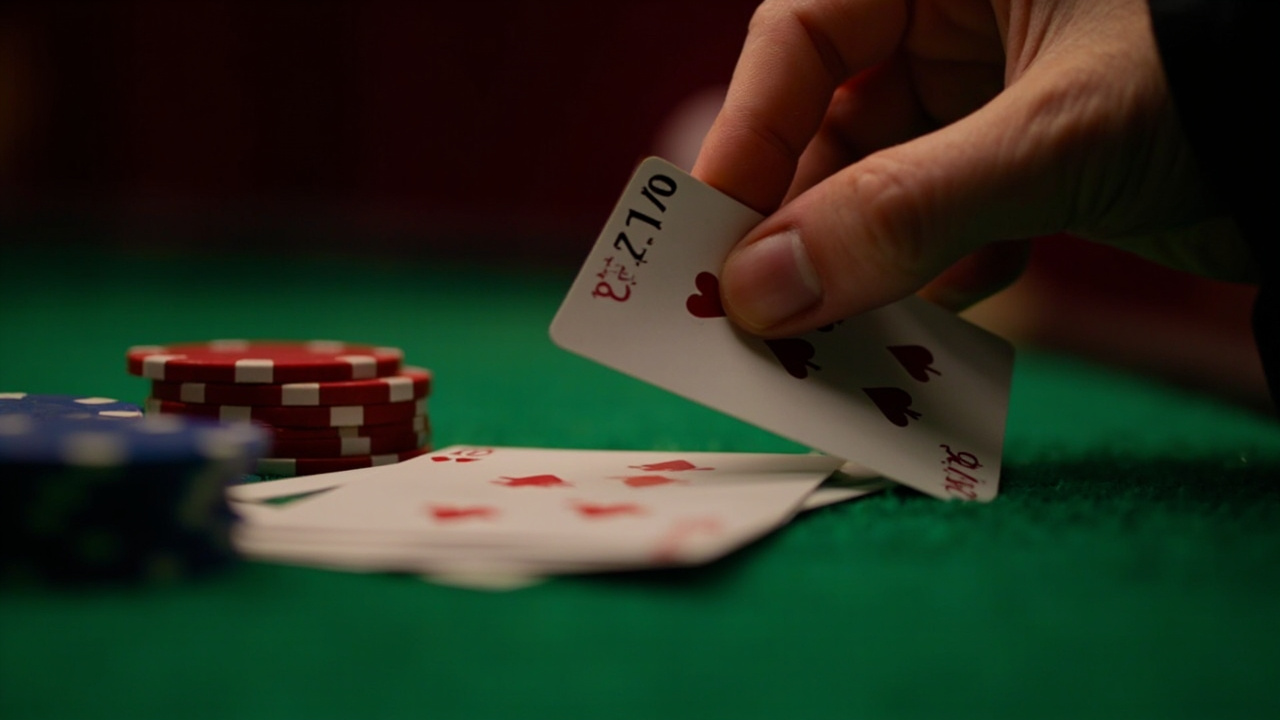
Razz uses the same deck as standard poker, but aces are low and straights and flushes do not count against you. That means a-2-3-4-5 is the nut hand, not a straight. The catch is that beginners often chase a low pair when they should be folding. You need to treat every upcard as information, not just a number to beat. The first three cards you see set the tone for the entire hand, and the fourth street is where most marginal hands get cracked. If you are playing online, the pace can feel faster than a bricks-and-mortar room, so it helps to slow down and count the exposed cards before you act. Much like how Australian pokies are legally required in many jurisdictions to display a return to player percentage, razz hands reward players who track the visible cards rather than guess at the deck.
Practical Razz Poker Tips for Real Sessions
When you are hunting for a workable low, the door card on the board tells you more than your own hole cards. Start by reading the exposed cards on the table, then decide whether your hand can realistically stay under eight-high by the end. If the board is crowded with low cards, you have to assume someone else is chasing the same nut hand, and that is where discipline matters. A solid approach is to treat every street like a short checklist rather than a gut feel.
- Scan the upcards before you act.
- Count how many low cards are already out.
- Decide if your hand can stay under eight-high.
- Fold if the board shows too many competing lows.
- Only chase a draw when the pot odds justify the risk.
Position matters just as much in razz as it does in hold'em, because acting last lets you see how the board develops before you commit. If you are out of position, you should tighten your starting range and let the aggressive players make the first mistake. That is the same kind of patience that separates a steady session from a blown bankroll. When the action gets busy as an arvo at a local club, it is tempting to stay in with a mediocre hand, but the math does not care about the mood. You can see the same kind of calculated restraint in live table games, where operators guard against loaded or shaved dice with clear, stamped dice so the odds stay visible. Razz is no different: the exposed cards are your stamped dice, and ignoring them is how you give away an edge.
A quick way to keep your ranges honest is to compare your starting hand against the board and the number of players still in the hand. The table below shows a simple filter for the most common street situations, so you can decide whether to stay in or step back without overthinking.
| Street | Board Shape | Action |
|---|---|---|
| Third | Two or more low cards exposed | Tighten, fold marginal pairs |
| Fourth | Your hand remains under eight | Consider a small bet |
| Fourth | Board fills with competing lows | Fold unless you hold the nuts |
| Fifth | You are still low and in position | Value-bet the worst hand |
If you are new to the format, the biggest trap is treating a low pair as a made hand. In razz, a pair is usually a liability because your opponent is chasing a lower card, not a higher one. You want to build your range around unpaired low cards and only commit when the board gives you a clear path to the best low. That mindset is closer to reading a live table than grinding a video game, and it pays to keep your expectations grounded. Zoe Robinson, Customer Experience Lead, Southern Star Esports, notes that players who treat the board as a live feed rather than a static picture tend to make fewer expensive mistakes on the turn and river. The same discipline applies when you are sizing your bets: keep them proportional to the pot and avoid blowing up on a marginal draw.
Who Should Give Razz a Proper Try
Razz suits players who are comfortable folding more than they win and who can sit through a slow-building hand without chasing every street. If you like reading exposed information and making small, disciplined decisions, you will find the format more rewarding than a fast-paced spin game. It is not a fit for anyone who wants instant action or expects to stack chips on a single lucky draw. The best results come from players who treat each hand as a series of small edges rather than a lottery ticket. Callum Baker, Head of Analytics, Boomerang Gaming Insights, suggests that the players who track exposed cards and position consistently outperform those who rely on gut reads, especially over a few hundred hands. If you are in Canberra and looking for a weekend session, the format rewards patience more than aggression, so pick your spots and keep your ranges tight.
The smartest way to approach razz is to treat it as a low-variance skill game rather than a high-energy gamble. You will win fewer pots, but the ones you win should be the ones you have worked for. Keep your starting hand selection strict, respect the door card, and let the impatient players pay for their mistakes. Over time, that approach builds a steadier session than chasing big hands and hoping the board cooperates.